
If you’ve ever searched
“best shoes for salsa” or
“what shoes should I wear for bachata?”
you already know how overwhelming the answers can be.
Heels. Sneakers. Suede soles. Street soles.
Everyone has an opinion — but very few talk about real social dancing.
Not performances.
Not one song.
But four to six hours of dancing, switching partners, styles, floors, and energy levels.
This article is for dancers who actually stay until the DJ says “last song.”
What Shoes Do Latin Dancers Really Wear for 4–6 Hour Social Nights?
Let’s start with honesty.
Most dancers don’t wear the same shoes all night because:
- Our feet get tired
- Our energy changes
- The music shifts
- The floor isn’t always ideal
The “best” shoe isn’t universal.
It depends on:
- Dance style
- Floor surface
- Your body
- How long you plan to dance
That’s why understanding dance-style-specific shoes matters.
Best Dance Shoes for Salsa & Bachata (Social Dancing Edition)
Salsa and bachata might be cousins — but your shoes feel the difference immediately.
What Salsa Demands from Your Shoes
- Quick direction changes
- Fast spins
- Light, responsive movement
- Stability on turns
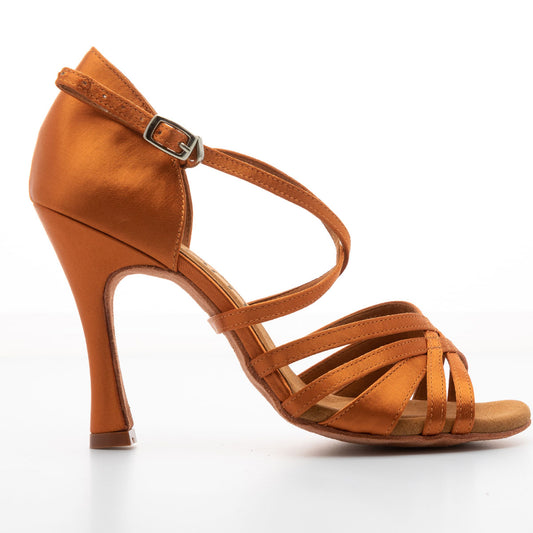
- Shoes for salsa need to be:
- Flexible
- Lightweight
- Secure around the foot
This is where flexibility matters more than structure.

ProFlex-style shoes are ideal here because they:
- Bend with the foot
- Reduce resistance during spins
- Don’t fight your movement
- Less effort = more stamina.
What Bachata Demands from Your Shoes
Bachata is smoother, grounded, and controlled — but don’t be fooled.
It still requires:
- Weight shifts
- Balance
- Comfort over long stretches of close dancing
- For bachata, dancers benefit from:
- Cushioning under the ball of the foot
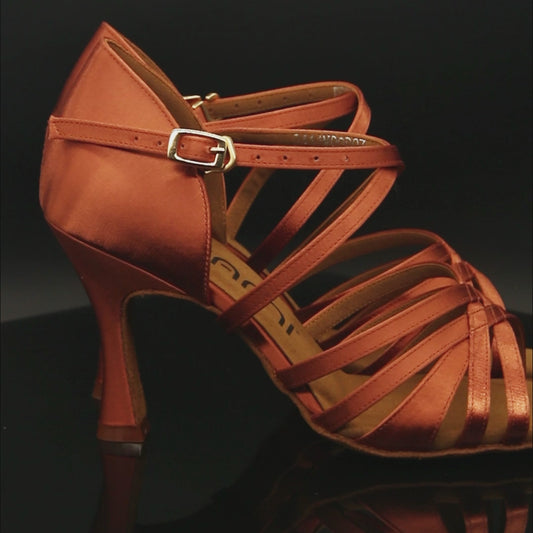
- Secure straps or fit
- Shoes that don’t pinch as feet swell
A shoe that feels “okay” at the start of the night won’t survive three sensual sets if it doesn’t adapt.
Best Shoes for Kizomba & Smooth Social Styles
Kizomba is a different conversation.

It’s:
- Grounded
- Controlled
- Minimal foot lift
- Heavy on connection
For kizomba, dancers often prefer:
- Lower profiles
- Extra comfort
- Shoes that allow full foot contact with the floor
- Shoes that are too stiff or too tall can make kizomba feel disconnected.
This is why many dancers:
- Switch shoes mid-night
- Or opt for dance sneakers or low-profile shoes
Comfort becomes non-negotiable here.
Dance Sneakers vs Heels: When to Wear Each (From a Real Dancer’s POV)

One of the most searched questions right now is:
“Dance sneakers vs heels — which is better?”
The real answer?
Both. At different moments.
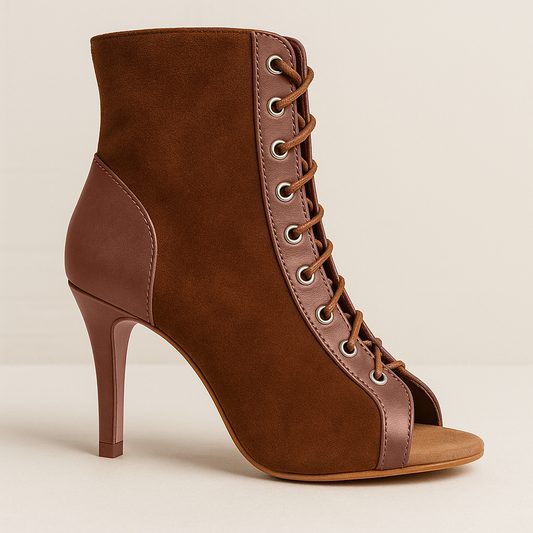
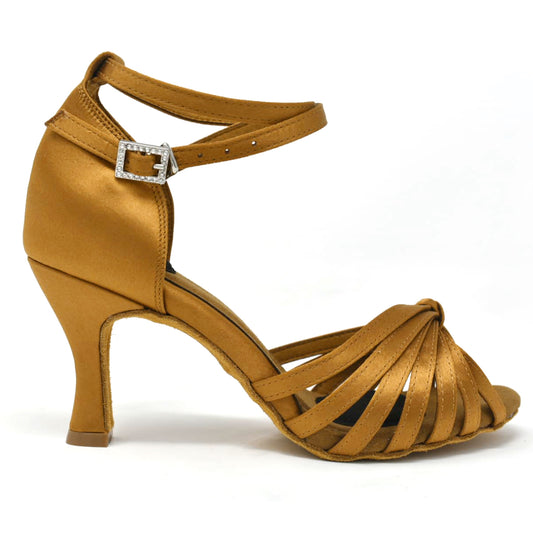
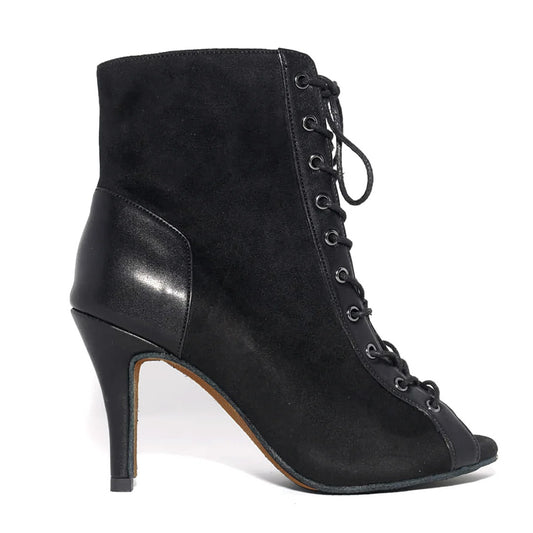
When Heels Make Sense
Heels are great when:
- You want elegance
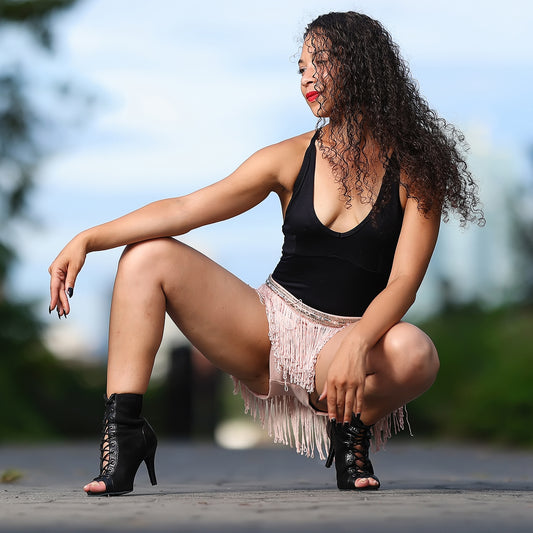
- You’re dancing salsa or bachata with spins
- You’re confident in your balance
- You’re early in the night
Heels help:
- Shift weight forward
- Accentuate lines
- Feel expressive and powerful
But heels demand more from your body.
When Dance Sneakers Are the Smarter Choice
Dance sneakers shine when:
- You’re dancing for hours
- Your feet need relief
- The floor is unpredictable
- You want to stay out longer
SpinSole-style dance sneakers are especially popular because they:
- Allow controlled spins
- Reduce impact on joints
- Support all-night dancing without sacrificing movement
They’re not a downgrade — they’re a strategy.
Why So Many Dancers Switch Shoes Mid-Social
This isn’t a trend — it’s experience.
Dancers switch shoes because:
- Feet swell
- Energy drops
- Floors vary
- Comfort becomes more important than aesthetics
That’s why having multiple dance-ready options matters.
StreetSoles: When Dance Shoes Need to Work Beyond the Dance Floor

Another growing search trend:
“Dance shoes you can walk in”
Social dancers don’t always want:
- A shoe bag
- A full outfit change
- To sacrifice comfort for style
Street-ready dance shoes exist because dancers live full lives:
- Dinner → dancing
- Travel → socials
- Events → after-parties
Street-style dance shoes allow dancers to:
- Walk comfortably
- Dance confidently
- Stay out longer
They’re especially popular for:
- Bachata nights
- Kizomba events
- Travel and festivals
There Is No One “Best” Dance Shoe — Only the Right One for the Moment
The biggest mistake dancers make is asking:
“What’s the best dance shoe?”
The better question is:
“What am I dancing, for how long, and on what surface?”
That’s how experienced dancers choose shoes.
Comfort Is the Common Thread Across All Dance Styles
No matter the style — salsa, bachata, kizomba, or social dancing — comfort determines:
- How long you stay
- How confident you feel
- How much fun you have
Shoes should support your dancing — not distract from it.
“Dance Shoes for Foot Pain & Foot Conditions”
“Dance Sneakers for Social Dancing: A Complete Guide”
Dancing isn’t about surviving the night.
It’s about enjoying every song.
Whether you prefer flexible heels, supportive sneakers, or shoes that move from street to dance floor, the right choice is the one that lets you stay longer — comfortably.
Explore dance-ready styles at yamishoes.com and choose shoes that support how you actually dance.