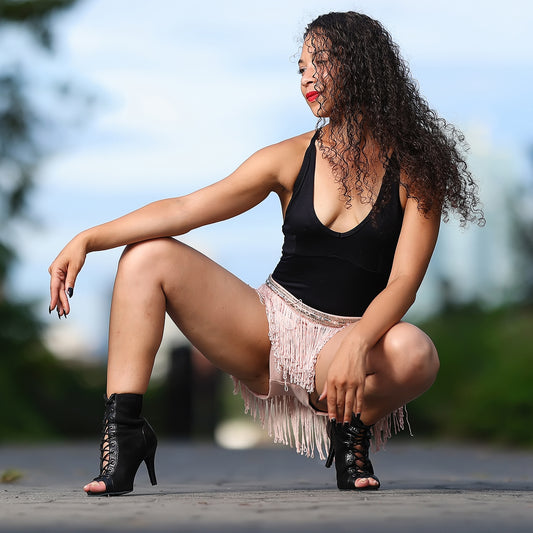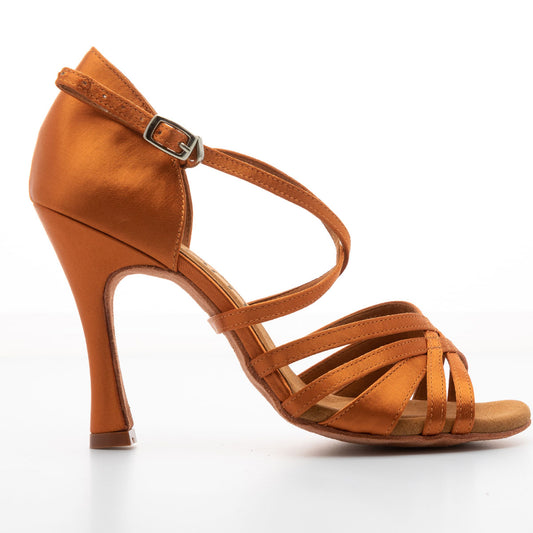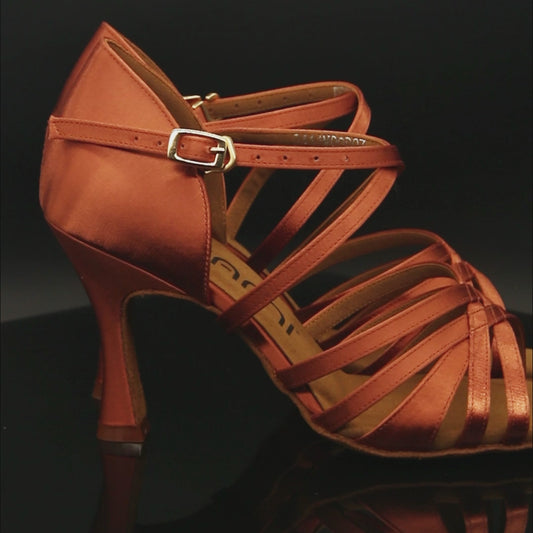

Photo Credit: Kew School of Dance
If you’ve ever taken your shoes off after a night of dancing and thought, “Why do my feet hurt this bad?” — you’re not alone.
I’ve been there.
Salsa socials that turn into five-hour marathons. Congress weekends with back-to-back nights. Heels that looked beautiful… until hour two.
And here’s the truth most dancers don’t realize at first:
Foot pain isn’t a “you problem.” It’s usually a shoe problem.
Most dancers don’t search for cute dance shoes.
They search for answers like:
- “Why do my feet hurt after dancing?”
- “Best dance shoes for ball-of-foot pain”
- “Can you dance with plantar fasciitis?”
Let’s talk honestly about what’s really happening to your feet — and what actually helps.
Why Dancers Experience Foot Pain (Even When We’re “Used to It”)
Foot pain isn’t just about dancing a lot. It’s about how your weight is supported while you dance.
Most dance shoes:
- Are flat and thin under the ball of the foot
- Push weight forward with no shock absorption
- Ignore how women’s feet change over a long night
- Over time, that leads to:
- Burning pain under the ball of the foot (metatarsal pain)
- Heel pain or plantar fasciitis flare-ups
- Pressure on bunions or a wide forefoot
- Knee, hip, and even lower back discomfort
Pain travels upward.
If your feet aren’t supported, your entire body compensates.
Ball-of-Foot Pain: The Most Common Dance Shoe Problem

Photo Credit: Ankle and Foot Care
If you feel:
- A burning or bruised sensation under your toes
- Pain right where you pivot and spin
- The urge to sit down mid-social
- That’s metatarsal pain — and it’s incredibly common in dancers.
Why It Happens
Most dance shoes are designed to be:
- Lightweight
- Flexible
- Minimal
But minimal under the ball of the foot is a problem.
That’s where:
- Your body weight shifts forward
- You spin, pivot, and push off
- Pressure builds over hours of dancing
What Actually Helps
The solution isn’t “thicker shoes.”
It’s targeted padding placed exactly where your weight lands.
Shoes that cushion under the ball of the foot AND the heel reduce:
- Pressure buildup
- Fatigue
That burning, aching pain dancers normalize way too often
Padding placement matters more than most dancers realize.
Plantar Fasciitis & Dancing: What Shoes Really Help

Photo Credit: Aloha Foot and Ankle Associates Inc.
Plantar fasciitis doesn’t mean you have to stop dancing — but it does mean you have to be smarter about your shoes.
What Makes It Worse
- Shoes that force constant tension through the arch
What Helps
- Heel padding to absorb impact
- Even weight distribution (not all pressure forward)
- Slight flexibility with support — not stiffness
Many dancers think arch support alone is the answer.
But shock absorption is just as important — especially for social dancing that lasts hours.
Bunions, Wide Forefoot & Swelling: The Reality of Women’s Feet

Photo Credit: Podexpert
Let’s talk about something we don’t say out loud enough.
Women’s feet:
- Swell when we dance
- Change shape over the night
- Need space, not squeezing
- Shoes that are:
- Too narrow
- Too stiff
- Unforgiving in the toe box
…turn a fun night into pain management.
What Helps
- Adjustable or forgiving toe boxes
- Soft linings that don’t rub
- Shoes that allow space without losing stability
Comfort doesn’t mean clunky.
It means respecting how real feet behave when dancing for hours.
How Dance Shoes Affect Your Knees, Hips & Lower Back

Photo Credit: Dr. Scholl's
Here’s something I didn’t realize until years into dancing:
- Foot pain doesn’t stay in your feet.
When your shoes don’t absorb impact:
- Your knees take the shock
- Your hips overcompensate
- Your lower back works harder to stabilize
That’s why:
- Knees ache after socials
- Hips feel tight after congress weekends
- Your back feels sore even when your technique is solid
- Better Foot Support = Less Compensation
Shoes that cushion both:
- The heel (for impact)
- The ball of the foot (for pressure points)
- …help your body move naturally instead of defensively.
That’s not luxury.
That’s injury prevention.
Why Padding Placement Matters More Than Most Dancers Think

Not all padding is equal.
What makes the biggest difference:
- Padding under the ball of the foot, where dancers spin
- Padding under the heel, where impact begins
When padding is placed intentionally:
- Weight is distributed evenly
- Fatigue sets in later
- You dance longer — without counting the minutes
This is the difference between:
Dancing through pain and dancing with confidence
Dancing Longer Without Pain Isn’t a Fantasy — It’s a Choice
For a long time, I thought foot pain was just part of being a dancer.
It’s not.
The right shoes don’t just protect your feet — they:
- Preserve your energy
- Improve your posture
- Let you stay present on the dance floor
Comfort leads to confidence.
Confidence leads to freedom.
And that’s what dancing is supposed to feel like.
Link to These articles:
“Wide vs Narrow Dance Shoes: How to Know What You Need”
“ProFlex Dance Shoes: Why Flexibility Matters”
“StreetSoles: Dance Shoes You Can Wear All Day”
If you’ve been dancing through pain because you thought you had to — you don’t.
There are dance shoes designed for real dancers, real nights, and real bodies.
Explore the collection at yamishoes.com and experience what dancing feels like when comfort finally shows up for you.