
If you’ve ever said, “They fit when I tried them on… but not after two hours of dancing,” this article is for you.
For years, I thought my feet were the problem.
Too wide. Too narrow. Too sensitive. Too swollen.
But after dancing socials, congresses, rehearsals, and late nights in heels, I learned the truth:
Most dance shoes are designed for a moment — not for real dancing over time.
And that’s why fit education matters more than style, heel height, or brand name.
How Should Dance Shoes Fit? (The Question Every Dancer Googles)
One of the most searched questions online is:
“How should dance shoes fit?”
And yet, the answer is rarely clear.
The Short Answer
Dance shoes should feel:
- Secure, but not tight
- Snug, but not restrictive
- Supportive without pressure points
- The Reality
Your feet:
- Expand as you dance
- Warm up
- Shift forward in heels
- Swell after hours of movement
A shoe that fits perfectly at minute five may feel unbearable by hour three.
That doesn’t mean the shoe is “wrong.”
It means fit needs to adapt.
Wide vs Narrow Dance Shoes: How to Know What You Actually Need

Photo Credit: XLfeet Website
Many dancers assume:
“I have wide feet”
“I have narrow feet”
But most of the time, it’s more nuanced than that.
You Might Need a Wider Fit If:
- Your toes feel cramped or numb
- You feel pressure on bunions or the pinky toe
- Your feet ache across the forefoot after dancing
You Might Need a Narrower or Adjustable Fit If:
- Your foot slides forward in heels
- You feel instability during spins
- Straps feel loose even when tightened
Here’s the problem:
Most dance shoes are built on one fixed shape.
Feet are not.
Do Dance Shoes Stretch? (And Why That’s a Risky Bet)

Another top search:
“Do dance shoes stretch?”
Yes — some materials soften slightly over time.
But relying on stretch is risky.
Why “They’ll Stretch” Isn’t a Solution
Stretching happens unevenly
Pressure points don’t always improve
Stretch doesn’t help swelling during a single night
Stretching is passive.
Adjustability is proactive.
Why Your Feet Swell When You Dance (And Why This Is Normal)![]()

Photo Credit: Care Plus Foot & Ankle Specialists
This is one of the biggest pain points dancers don’t talk about enough.
Your feet swell because:
- Blood flow increases with movement
- Heat builds up
- Gravity pushes weight forward in heels
- Muscles fatigue and need space
Swelling isn’t a flaw.
It’s a biological response to dancing for hours.
The mistake is wearing shoes that don’t account for it.
Dance Shoes for Swollen Feet: What Actually Works
If your shoes:
- Feel fine at first
- Then start rubbing, squeezing, or burning
- Make you want to sit down mid-social
- That’s a fit problem — not a pain tolerance issue.
- What Helps Swollen Feet
- Adjustable straps
- Forgiving toe boxes
- Buckles or closures that can loosen mid-night
- Designs that allow micro-adjustments
Shoes that adapt let you:
- Tighten early in the night
- Loosen later when your feet need relief
- Keep dancing instead of suffering through it
Adjustable Dance Shoes: Why One Fit Doesn’t Work All Night
This is where adjustable dance shoes change everything.
 Fixed-fit shoes assume:
- Your feet won’t change
- Your energy won’t drop
- Your body won’t need relief
- But dancers know better.
- Why Adjustable Fit Matters
- You can customize tension across the foot
- You can adapt as your feet swell
- You reduce pressure without sacrificing stability
Adjustability isn’t about “problem feet.”
It’s about real-life dancing.
Why TrueFit Dance Shoes Exist (And Who They’re For)

TrueFit shoes were created for dancers who:
- Fall between standard widths
- Experience swelling during socials
- Want control over how their shoes feel throughout the night
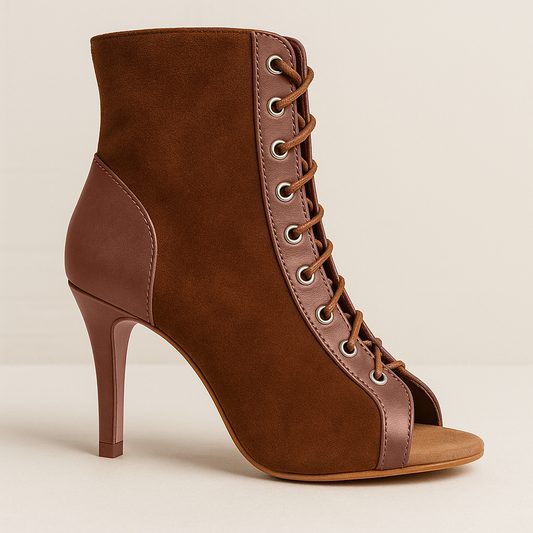
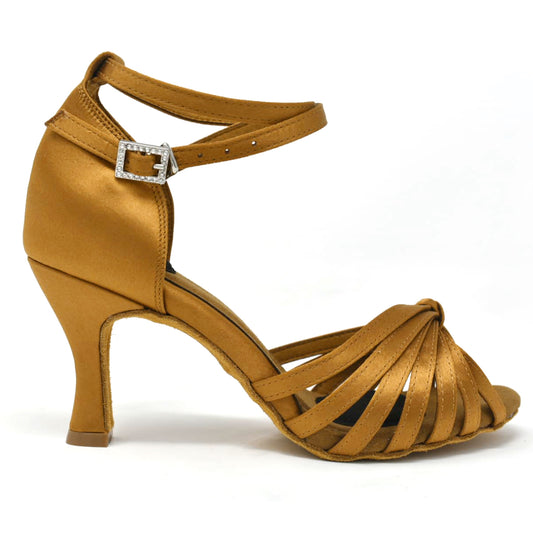
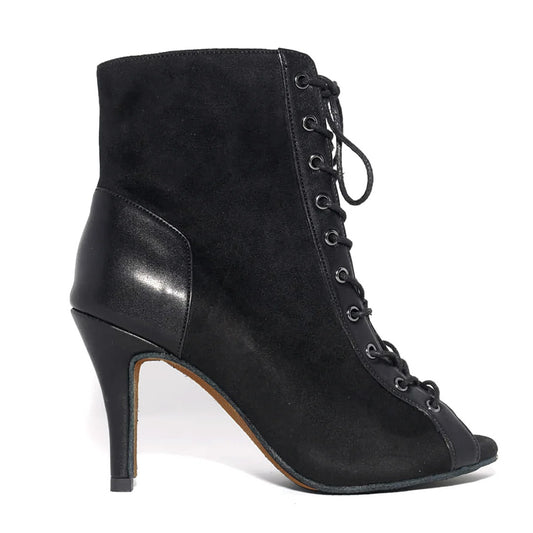
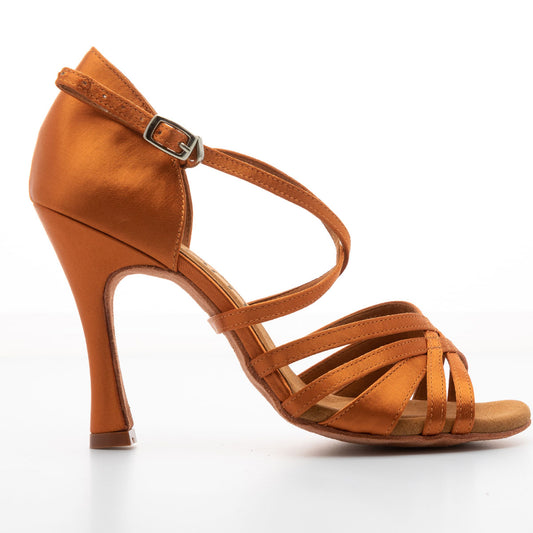
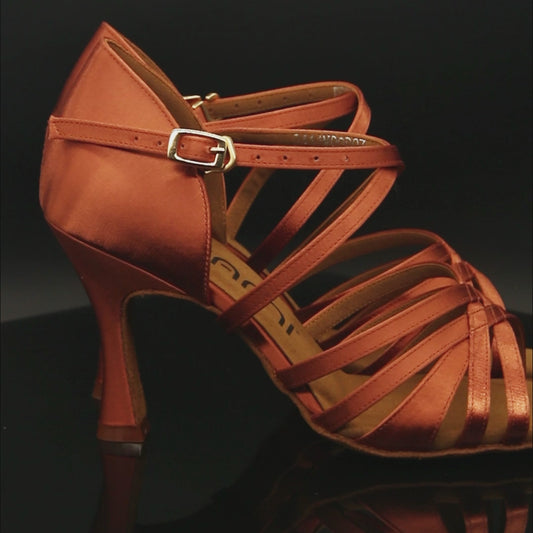
Styles like Lesly, Yuiza, and Isabella allow dancers to:
- Fine-tune fit at the toe box
- Adjust straps for comfort or security
- Dance longer without constant awareness of their feet
Not because dancers are “picky” —
but because one fixed fit doesn’t work for hours of movement.
How Better Fit Reduces Returns (And Regret)

When dancers understand fit:
- They choose better the first time
- They panic less when shoes feel snug at home
- They trust the break-in process
Fit education:
- Reduces returns
- Increases confidence
- Creates happier dancers
Knowing why a shoe feels the way it does changes everything.
Comfort Isn’t About “Soft” — It’s About Control
The most comfortable dance shoes aren’t the loosest ones.
They’re the ones that let you control the fit:
- When your feet are fresh
- When they’re tired
- When they need space
Confidence on the dance floor starts with stability —
and stability starts with fit that adapts.
Link to these internal Blogs:
“Dance Shoes for Foot Pain & Foot Conditions”
“Wide vs Narrow Dance Shoes: A Complete Guide”
“Why Adjustable Dance Shoes Are the Future of Social Dancing”
You don’t need tougher feet.
You need smarter shoes.
If you’ve struggled with fit, swelling, or pressure during long dance nights, explore adjustable styles designed to move with you — not against you.
Discover the TrueFit collection at yamishoes.com and experience what dancing feels like when your shoes finally adapt to you.