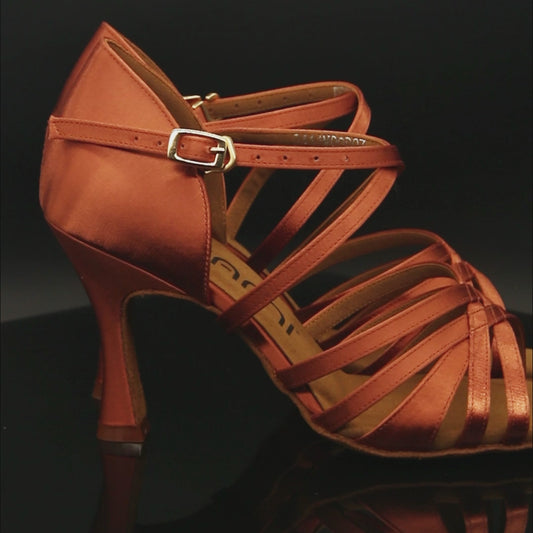

If you’ve been dancing for a while, you’ve probably had that moment.
You’re mid-social, the DJ drops a great song, you go for a spin… and something feels off.
Your turns aren’t as clean. Your feet feel tired faster. Maybe your knees feel a little cranky the next morning.
And then it hits you:
“Are my dance shoes worn out?”
This is one of the most common questions dancers ask, especially after a few months of heavy dancing:
- How long do dance shoes actually last?
- Why do suede soles wear down so fast?
- How do I know when it’s time to replace them?
The truth is, dance shoes are not built like regular street shoes, and that’s intentional. They’re designed for performance—turning, pivoting, and moving with your body.
But that also means they have a different lifespan.
Let’s break down what dancers should realistically expect.
How Long Do Dance Shoes Last?
The honest answer is: it depends on how often you dance.
Professional dance retailers like Supadance and International Dance Shoes both explain that dance shoes are designed for performance flexibility rather than durability, which means they will naturally wear faster than regular footwear.
Here’s a realistic lifespan based on dancing frequency.
Casual Social Dancers
1–2 nights per week
Typical lifespan: 8–12 months
If you mostly attend weekly socials and occasionally practice, a well-maintained pair of dance heels can last close to a year.
Active Dancers
3–4 nights per week + classes
Typical lifespan: 4–8 months
Frequent spins, practice sessions, and workshops start to break down the shoe structure and suede faster.
Congress Dancers
Workshops + long socials
Typical lifespan: 3–6 months
When you’re dancing 6–10 hours per day at events, the wear accelerates quickly.
Many dancers notice their shoes degrading after just a few major congress weekends.
Why Suede Soles Wear Down Faster Than Street Shoes

Photo Credit: Instagram-harlemshoess
One of the biggest surprises for new dancers is how quickly suede soles wear out.
But that’s actually by design.
According to dance shoe manufacturers such as Supadance, suede soles are used because they provide the perfect balance between grip and glide, allowing dancers to pivot smoothly without sticking to the floor.
Regular rubber soles create too much friction. When friction is too high, your foot cannot pivot easily—so the torque transfers to your knees.
That’s why ballroom and Latin dance shoes traditionally use suede.
However, suede is a soft material, and repeated friction with dance floors slowly wears it down.
Factors that accelerate suede wear:
* Rough or dusty floors
* Outdoor dancing
* Concrete or tile surfaces
* Frequent spinning
* Moisture or dirt buildup
This is also why dance experts recommend keeping suede shoes strictly for indoor dance floors.
Signs Your Dance Shoes Are Past Their Prime

Photo Credit: Changing Your Clothes
Sometimes dancers keep wearing a pair of shoes long after they should be retired.
Here are the most common warning signs.
- Your Spins Feel “Sticky”
- If turning suddenly feels harder, the suede may be worn flat.
- A healthy suede sole should feel slightly textured when brushed.
- Your Feet Get Tired Faster
- Dance shoes rely on structural support and padding.
- Once cushioning compresses, your body absorbs more impact.
- Your Shoes Feel Loose
- Over time, materials stretch with repeated use.
- If your foot starts sliding forward in your heel, it can affect posture and balance.
- The Heel Feels Unstable
- If the heel base starts to wobble, the internal structure may be breaking down.
That’s a clear signal it’s time to replace them.
How Worn Dance Shoes Affect Knees, Hips, and Back
Dance footwear doesn’t just affect your feet.
According to research referenced by the American Podiatric Medical Association, proper footwear support helps reduce stress on joints by distributing impact forces during movement.
When cushioning breaks down or traction changes, your body compensates.
That compensation often shows up as:
* knee discomfort
* hip fatigue
* lower back soreness
This is especially common during long dance nights where repetitive turning and weight shifts put stress on the joints.
Simply put:
A worn shoe changes your mechanics.
And mechanics matter.
How to Make Your Dance Shoes Last Longer
Fortunately, there are several simple habits that can significantly extend the life of your shoes.

Photo Credit: Youtube - Giancarlo Gabellini
Brush Your Suede Soles
- Using a suede brush restores the texture of the sole and removes dirt that causes uneven friction. Most dancers brush their soles every few sessions.
- Keep Shoes Indoor Only
- Outdoor surfaces destroy suede quickly.
- Carry your dance shoes in a bag and change when you arrive.
- Let Them Air Out
- Moisture weakens adhesives and materials.
- Allow shoes to dry after long dance sessions.
- Store Them Properly
- Avoid leaving shoes in hot cars or tightly sealed bags. Heat can warp materials and reduce lifespan.
Why Owning Two Pairs of Dance Shoes Makes Them Last Longer

One of the best things dancers can do is rotate between shoes.
This allows materials to recover between uses and reduces concentrated wear.
Many experienced dancers bring two pairs to events.
For example:
Practice or Workshops
Dance sneakers like SpinSoles are ideal for long training sessions because they provide additional comfort and shock absorption.
Social Dancing
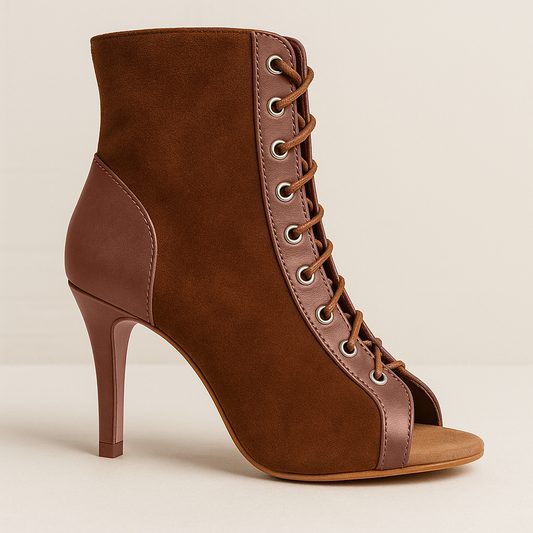
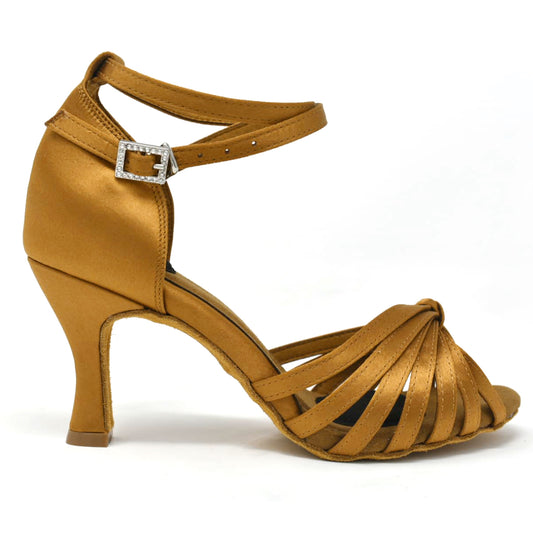
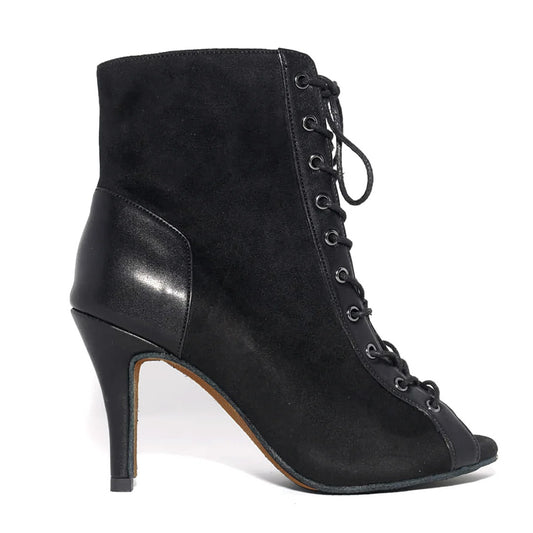
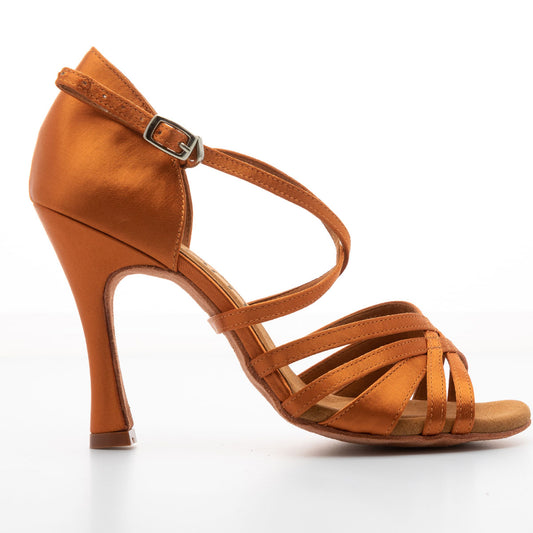
Traditional Latin heels allow for clean spins, styling, and performance movement.
Outdoor or Travel Events
Street-friendly dance shoes like StreetSoles allow dancers to move between venues without destroying suede soles.
Rotating shoes doesn’t just improve comfort.
It dramatically extends the lifespan of each pair.
Why Dance Shoes Are Built for Performance, Not Just Durability
At the end of the day, dance shoes are performance tools.

They prioritize:
* flexibility
* pivot control
* weight distribution
* responsiveness
Those qualities are what allow dancers to spin, glide, and move fluidly.
And yes—those same qualities mean shoes eventually wear out.
But with proper care and smart rotation, a good pair of dance shoes can carry you through hundreds of songs on the dance floor.
Final Thoughts: Take Care of Your Shoes (And Your Body)
Dancers often invest hours practicing technique, posture, and musicality.
But one of the simplest ways to protect your body is choosing—and maintaining—the right footwear.
Knowing when to replace dance shoes and how to care for suede soles helps you dance longer, feel better, and move more confidently.
Because at the end of the night, the goal isn’t just to look great on the floor.
It’s to still feel great the next day.
Explore the full Yami collection at YamiShoes.com and discover shoes designed for real dancers—whether you’re training, traveling, or dancing until the last song.