
Photo Credits: Junckers | Jack K Hou | Wilton Carpets
Learn the best dance shoes for different floor types—marley, hardwood, tile, carpet, and outdoor patios—so you glide, spin, and stay pain-free.
If you’ve ever shown up to a salsa or bachata social and thought, “Why does this floor feel sticky?” or “Why am I slipping like Bambi?”—this blog is for you.
Because here’s the real truth from the scene: your shoes aren’t “good” or “bad” on their own—your shoes are only as good as the floor you’re dancing on. Marley, hardwood, tile, concrete patios… they all change how your foot grips, glides, and absorbs impact. And that affects not just your spins, but your knees, hips, and back too.
I did the research (and tested it in real-life socials), and I’m breaking it down in straight dancer language—plus exactly which Yami styles make the most sense for each surface.
Why Floor Type Matters More Than People Think
Different floors change three big things:
- Traction (grip) – too much grip can feel “sticky” and stress your knees; too little grip can cause slips.
- Glide (controlled slip) – dancers need a little slide to pivot smoothly without torque.
- Shock absorption – hard floors (tile/concrete) send impact straight up your legs.
Dance flooring brands like Harlequin explain that a proper dance surface is engineered for the right mix of grip, glide, and shock absorption—and that regular commercial flooring can be inconsistent or even abrasive for dancers.
So if you’ve ever wondered why one venue feels amazing and another one destroys your body… yup. Flooring.
Quick Rule: Match Your Sole to the Surface

Think of it like this:
- Smooth indoor floors (wood, marley) → you need controlled grip + pivot
- Hard, rough floors (tile, concrete, outdoor) → you need durability + cushioning + safe pivot
- Soft floors (carpet) → you need stability + low snag risk
Now let’s get specific.
Marley (Vinyl Dance Floors): The “Studio Feel” Surface

Photo Credit: Connor Sports
What it feels like: consistent, slightly grippy, designed for dance.
Marley is a specialized vinyl dance surface known for controlled slip and consistency.
Many sources describe Marley as having a higher coefficient of friction (more grip) than hardwood, which can reduce slipping.
Best shoe behavior on Marley:
You want smooth pivots without the floor grabbing your knee.
If your sole is too grippy (like many street sneakers), Marley can feel “sticky.”
Yami picks for Marley:
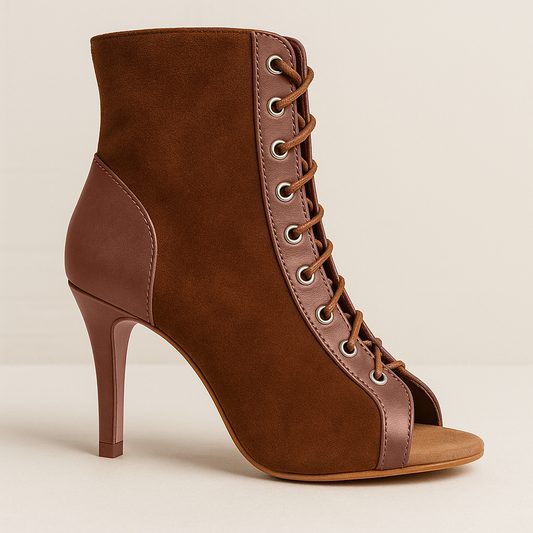
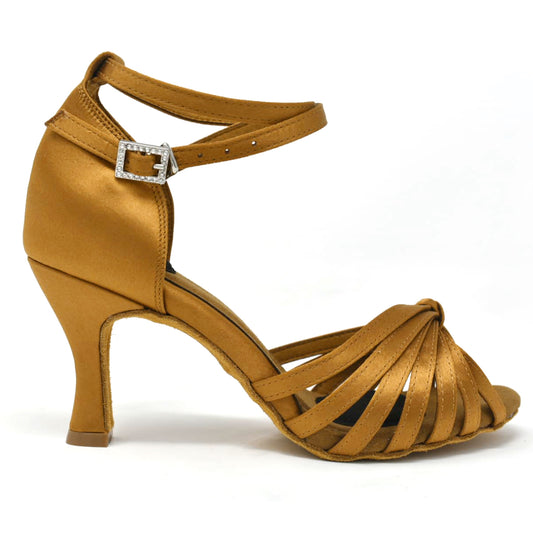
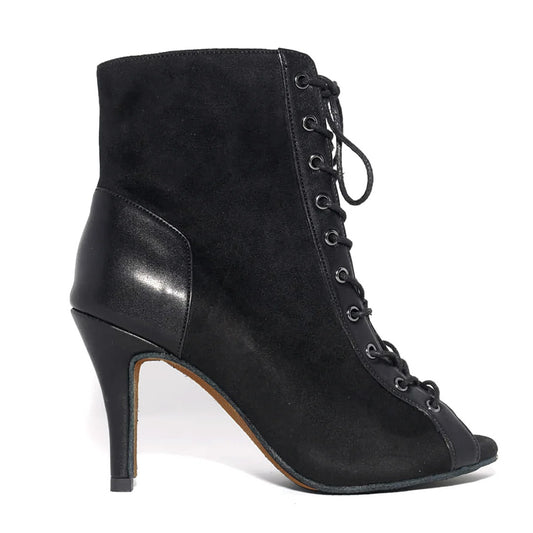
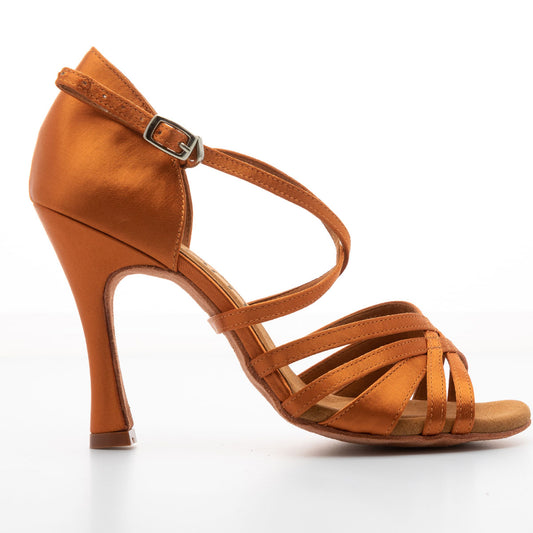
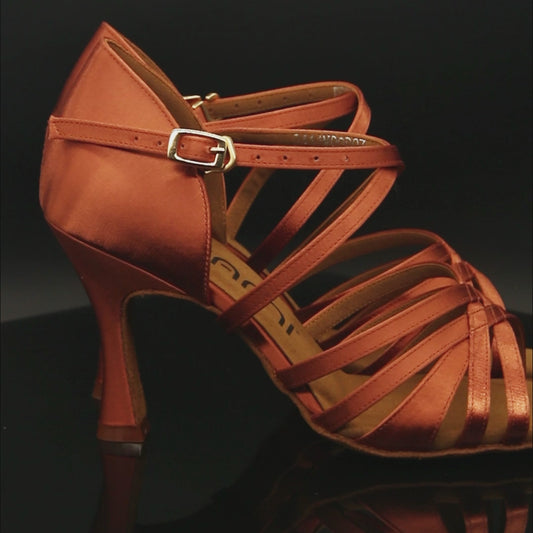
Yami Latin heels with suede soles (best for controlled turns + clean technique). Your own Yami blog explains suede soles provide the right traction on smooth surfaces while still allowing movement.
SpinSoles dance sneakers when you want a sneaker vibe but still need spin-friendly performance (especially for dancers who do salsa/bachata + some fusion styling).
Pro tip (Marley):
If the floor feels too grippy that night, brush your suede soles lightly and avoid rubber street soles. This is one reason dancers keep “dance-only” shoes.
Hardwood Ballrooms: Classic, Beautiful… Sometimes Slippery

Photo Credit: Dance Equipment International
What it feels like: smooth, fast, and can vary wildly based on wax, humidity, and cleaning.
Hardwood can be great, but it can also become slippery or inconsistent over time depending on maintenance.
Best shoe behavior on hardwood:
You need secure traction so you don’t slip on fast turns.
But you still need glide so your spins don’t torque your joints.
Yami picks for hardwood:
Suede-sole Latin heels (this is what they’re made for). Many dance shoe resources note suede soles are designed to grip and glide on polished indoor floors.
If you’re doing lots of walking between venues or want one shoe for “travel day + dancing,” StreetSoles are your best hybrid choice.
Pro tip (hardwood):
If the floor is too slippery, use a suede brush to raise the nap (more grip). If it’s too sticky, the brush can help too—because you’re getting the suede back to a consistent texture.
Tile Floors: The #1 “My Knees Hurt” Floor

Photo Credit: Aviance Lounge Décor & Rentals
What it feels like: hard, unforgiving, and sometimes slippery.
Tile has almost no shock absorption—so your body absorbs everything. Flooring guidance often highlights shock absorption as a major factor in reducing fatigue and injury risk during repetitive movement.
Why tile hurts dancers:
Hard impact travels up the body (ankles → knees → hips → back).
In heels, pressure shifts forward to the ball of the foot, increasing stress. Research shows high heels can shift plantar pressure forward and affect balance/forces.
Yami picks for tile:
StreetSoles for durability + all-day comfort when the venue isn’t dance-floor friendly.
SpinSoles dance sneakers if you’re doing workshops + social and need more support and shock absorption than a thin-sole heel.
If you must wear heels on tile, prioritize:
Yami heels with padded insoles (ball + heel cushioning) to reduce fatigue and protect you longer.
Tile floor reality check:
If you’re feeling pain, it’s not “you being weak.” Tile is brutal.
Outdoor Patios & Concrete: The “RIP Suede Soles” Surface

Photo Credit: Windy Ridge Ranch
What it feels like: rough, inconsistent, sometimes dusty, sometimes damp.
Most dance shoe guidance warns that suede soles are sensitive to dirt and moisture and are best kept indoors.
Why outdoor is a problem for dance shoes:
- Suede can get damaged fast.
- Rough concrete can chew up delicate soles.
- Dust + moisture changes traction unpredictably.
Yami picks for outdoor/patio dancing:
StreetSoles (this is literally the moment StreetSoles were made for—dance performance plus real-world durability).
SpinSoles dance sneakers for outdoor-friendly comfort when you still want spin ability.
Strong warning:
Don’t wear suede soles outside unless you’re okay shortening their life. Keep a “floor pair” and a “street pair.”
Carpet: The Sneaky Ankle-Twister

Photo Credit: Wilton Carpets
What it feels like: soft, grippy, and can snag your turns.
Carpet can “catch” your foot when you pivot—especially in heels.
Why carpet is risky:
Too much friction can stop rotation suddenly (hello knee torque).
Heels can sink slightly depending on carpet thickness.
Yami picks for carpet venues:
StreetSoles (more stable for walking + dancing on carpeted hotels).
SpinSoles if you want sneaker movement with safer pivot than sticky rubber.
If you wear heels on carpet, pick a pair that feels stable and secure—no sliding, no wobble. (This is where fit and structure matter a lot.)
Why You Shouldn’t Dance in Regular Street Shoes (Most of the Time)

Photo Credit: Runner's World
This is one of the biggest reasons people get knee pain at socials—too much grip.
Many street shoes (especially new rubber soles) are designed for maximum traction. That’s great for running errands. It’s not great for turning for 4 hours straight.
Harlequin notes that non-dance vinyl or commercial flooring can be abrasive or inconsistent for dancers—and when you combine that with grippy street soles, you get a recipe for joint stress.
Dancer translation:
If your foot can’t pivot, your knee will.
That’s why dancers love:
- suede soles indoors (controlled glide)
- purpose-built dance sneakers (safer pivot)
- hybrid shoes like StreetSoles (dance ability + real-life wear)
The Yami “What Floor Am I Dancing On?” Cheat Sheet
Marley / Studio Vinyl
Best: Yami suede-sole heels, SpinSoles
Avoid: sticky rubber soles
Hardwood Ballroom
Best: Yami suede-sole heels, StreetSoles for hybrid use
Watch out: overly slippery waxed floors
Tile / Concrete Indoors
Best: StreetSoles, SpinSoles (cushion + durability)
If heels: choose padded-insole heels, take breaks
Outdoor Patio / Street
Best: StreetSoles, SpinSoles
Avoid: suede soles outdoors
Carpet / Hotel Ballroom Carpet
Best: StreetSoles, SpinSoles
If heels: stability first, shorter turns, smaller pivots
How This Reduces Foot Pain and “Congress Body”
When you match shoes to the floor:
- your turns get cleaner
- you reduce torque on knees
- you reduce fatigue from hard impact
- your feet swell less from constant pressure
- you last longer through workshops + socials
That’s the difference between “I survived the weekend” and “I could’ve danced another 3 hours.”
Final Word: The Best Dancers Don’t Just Train—They Prepare
Real talk: floors are unpredictable. One weekend you’re on perfect wood. Next weekend you’re on tile with dust and a drink spill.
The smartest thing you can do is own footwear options that match reality.
That’s why Yami is built around the real dancer’s life:
- Suede-sole heels for controlled indoor glide
- SpinSoles for sneaker comfort + spin performance
- StreetSoles for dancers who want to look good and stay comfortable anywhere
👉 Explore the collections at YamiShoes.com and build your “floor-ready” rotation—so the venue doesn’t decide how your body feels tomorrow.