
The “Dance Shoe Rotation” Strategy Most Dancers Don’t Know
If you’ve been dancing for a while, you’ve probably noticed something interesting when you go to a congress or big social.
Some dancers don’t just show up with one pair of shoes.
They show up with a bag of them.
Heels. Sneakers. Sometimes even a second pair of heels.
At first it might seem excessive. After all, most beginners assume that once you buy a pair of dance shoes, that’s all you need.
But experienced dancers know something most newer dancers don’t:
Rotating your dance shoes is one of the smartest things you can do for your feet, your performance, and your longevity on the dance floor.
This is often called dance shoe rotation, and it’s a strategy used by professional dancers, instructors, and congress veterans around the world.
Let’s break down why.
Why Dancers Should Rotate Their Shoes

In most sports, athletes rotate equipment to improve performance and reduce wear.
Runners rotate running shoes.
Tennis players switch shoes based on court surfaces.
Cyclists even change shoes depending on the ride.
Dancers should think the same way.
Dance shoes are performance equipment, not just fashion.
Each style of shoe serves a different purpose:
- Some are designed for clean spins
- Some prioritize shock absorption
- Some are built for durability outside studios
Rotating shoes allows your body and your footwear to perform at their best.
Preventing Foot Fatigue During Long Dance Events
One of the biggest challenges dancers face at festivals and congresses is foot fatigue.
A typical congress day might look like this:
4–6 hours of workshops
dinner break
4–5 hours of social dancing
after-party dancing until sunrise
That’s 8–12 hours on your feet.
Footwear researchers note that repetitive loading on the feet can contribute to fatigue and discomfort when cushioning and support break down over time (American Podiatric Medical Association).
Rotating between shoes helps manage this fatigue because different shoes distribute pressure differently.

For example:
- Sneakers absorb impact.
- Heels allow elegant movement and spins.
- Switching between them gives your muscles a chance to recover.
Many experienced dancers say simply changing shoes halfway through the night can reset tired feet.
Training Shoes vs Social Dancing Shoes

Another reason dancers rotate shoes is that training and performance require different footwear.
Workshop and Practice Footwear
Workshops involve:
- Repetitive drills
- Quick direction changes
- Learning new patterns
- Long hours standing
During training, comfort and support are critical.
Dance sneakers provide more cushioning than heels and help reduce the stress of repeated impact.
Sports medicine research consistently shows that proper shock absorption helps reduce fatigue during repetitive movement activities (American College of Sports Medicine).
That’s why many dancers choose dance sneakers during workshops.
Social Dancing Footwear

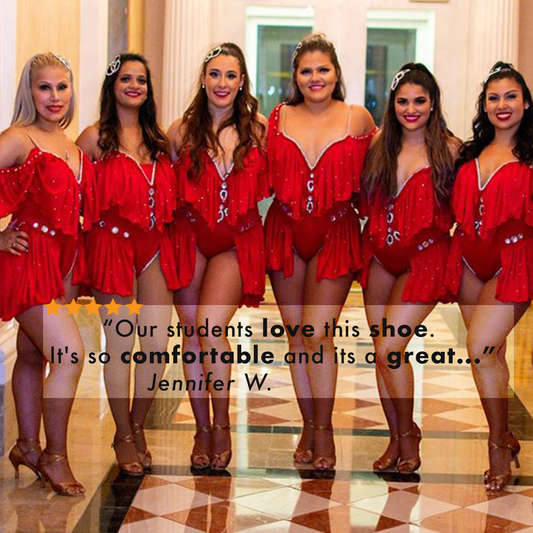
Photo Credit: Fitness Formula Club
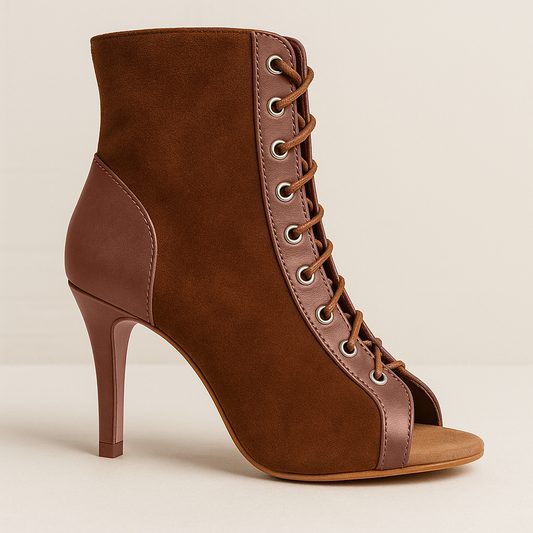
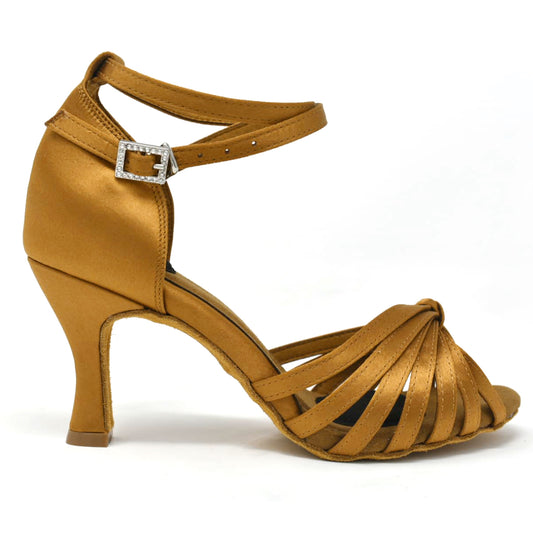
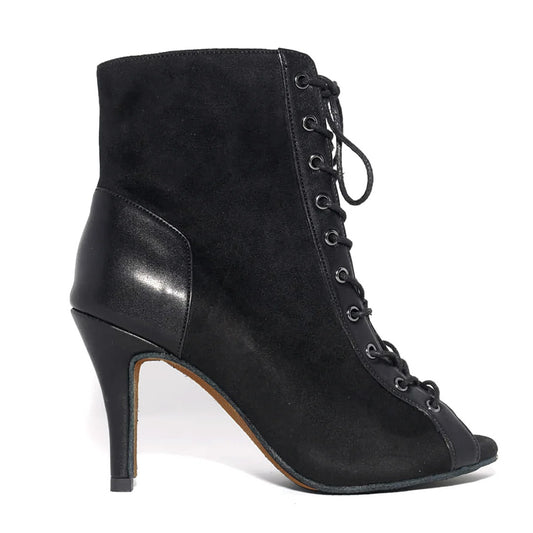
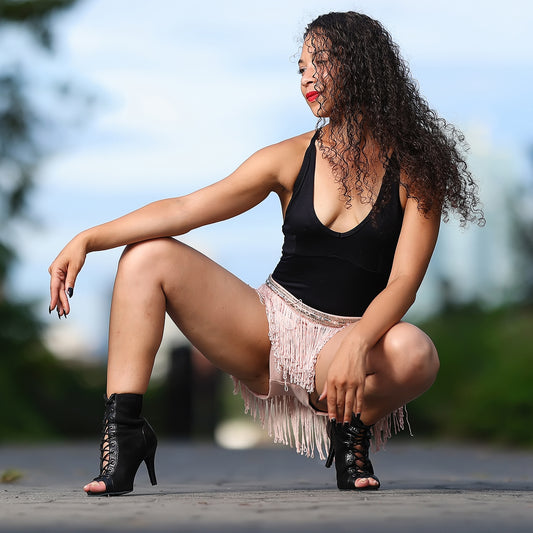
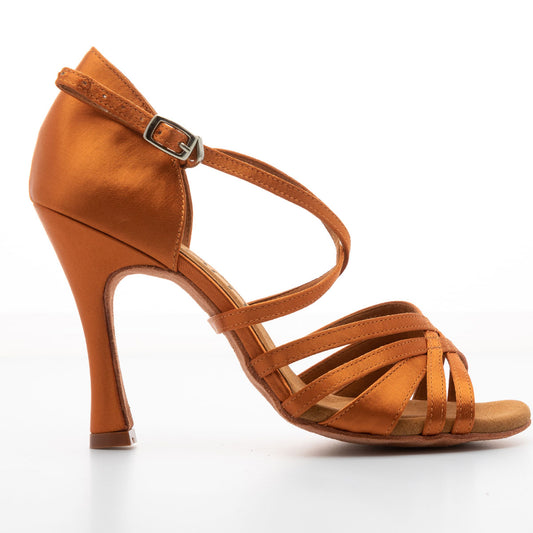
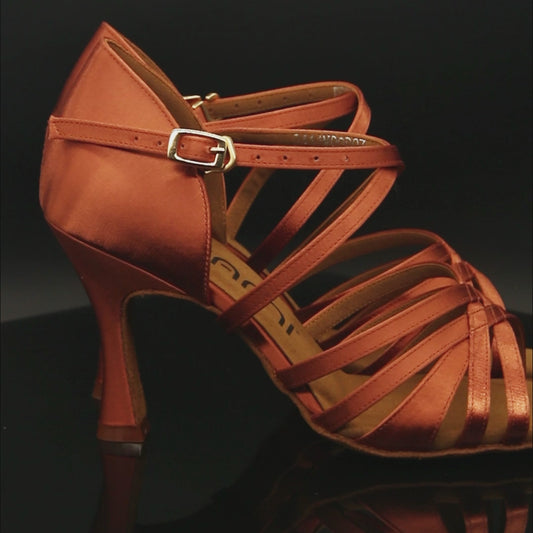
When it’s time for the social floor, many dancers switch to Latin dance heels.
Why?
Heels improve:
- Posture
- Weight distribution
- Styling and aesthetics
- Cleaner spins and pivots
Professional ballroom and Latin dance shoes traditionally use suede soles because they allow the right balance of grip and glide on dance floors (Supadance).
So while sneakers are great for training, heels remain the preferred choice for social dancing and performance.
Why Sneakers Protect Your Feet During Workshops

Workshops are intense.
You may be repeating the same step or spin dozens of times while learning choreography or technique.
This type of repetition can stress the ball of the foot, calves, and Achilles tendon.
Dance sneakers help reduce this stress because they provide:
- Thicker cushioning
- Shock absorption
- Additional arch support
They also distribute weight differently than heels.
Many dancers report that switching to sneakers during workshops allows them to dance longer without foot soreness.
This is one reason modern dance brands have introduced performance sneakers specifically designed for turning and spinning, rather than traditional athletic shoes.
Why Many Dancers Bring Two Pairs of Shoes to Congresses
If you walk into the ballroom of any large salsa or bachata congress, you’ll notice something quickly.
A lot of dancers carry shoe bags.
That’s because experienced dancers plan ahead for different situations.
Here’s a common setup:

Pair #1 – Sneakers or practice shoes
Used during workshops and daytime classes.
Pair #2 – Dance heels
Used during evening socials and performances.
Some dancers even bring a third pair for travel between venues or outdoor events.
Why?
Because suede soles — the standard for ballroom shoes — are designed for indoor dance floors and can wear down quickly outdoors.
Rotating shoes protects both your feet and your investment.
The Smart Dance Shoe Rotation Strategy
Professional dancers often follow a simple system when choosing footwear.
Scenario Best Shoe
- Workshops and training - SpinSoles dance sneakers
- Social dancing and performances - Latin dance heels
- Travel, outdoor socials, or mixed environments - StreetSoles hybrid dance shoes
Each shoe supports the body in a different way depending on the activity.
This approach allows dancers to stay comfortable while maintaining the performance benefits of each shoe type.
Dance Shoes Are Performance Gear
One of the biggest mindset shifts dancers experience is realizing that dance shoes are tools.
Just like musicians choose different instruments or athletes choose different gear, dancers choose footwear based on the situation.
Rotating shoes can help:
- Reduce foot fatigue
- Extend the lifespan of each pair
- Improve performance
- Protect joints from repetitive stress
And perhaps most importantly…
It helps you stay on the dance floor longer.
Final Thoughts: Smart Dancers Plan Ahead
Most dancers start with one pair of shoes.
That’s normal.
But as you dance more — especially at festivals and long events — you’ll likely discover why so many experienced dancers rotate footwear.
Different shoes support different types of movement.
And when your shoes support your body properly, your dancing becomes more comfortable, more confident, and more enjoyable.
Because at the end of the night, the goal isn’t just to look good on the dance floor.
It’s to still have energy when the DJ plays one last song.
Explore the full Yami collection at YamiShoes.com and find the right shoes for workshops, socials, and everything in between.