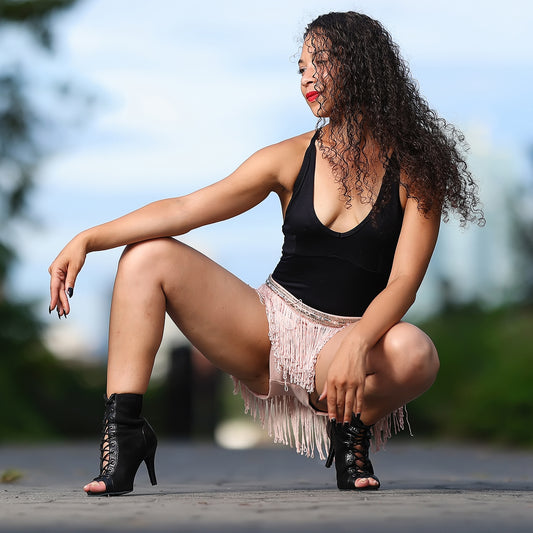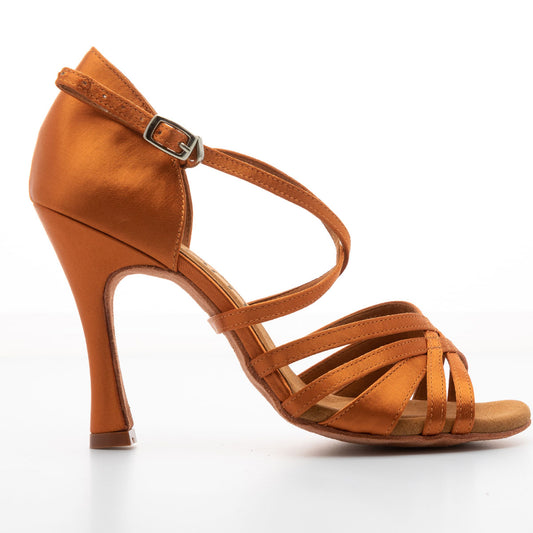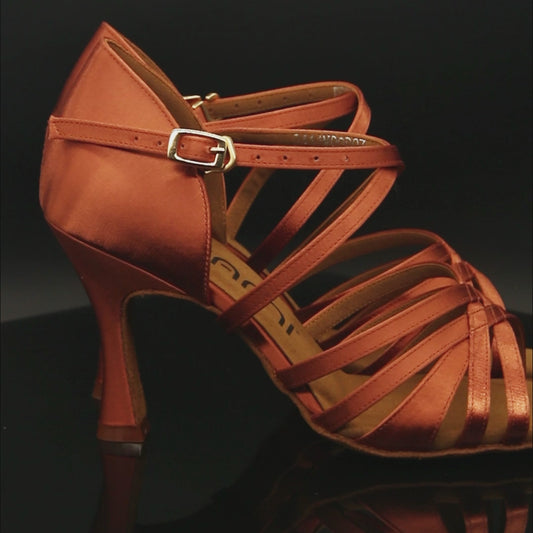

I still remember my first pair of dance shoes.
They were cute.
They matched my outfit.
And by the end of the night… I was sitting more than dancing.
If you’re just starting out, it’s easy to think:
👉 “Any shoe will work.”
But once you spend a few hours on the dance floor — especially with salsa, bachata, or social dancing — you quickly realize:
The right shoe doesn’t just change your comfort. It changes how you dance.
So if you’re choosing your first pair, focus on these four things:
- Flexibility
- Cushioning
- Fit
- Spin ability
These aren’t “nice to have.”
They’re the foundation of your experience.
Flexibility: Why Your Shoes Should Move With You

When you dance, your foot doesn’t stay flat.
It:
- Rolls forward
- Pushes off the ball
- Points
- Bends with every step
According to dance biomechanics research, efficient movement requires natural foot articulation, especially through the forefoot (Journal of Dance Medicine & Science).
If your shoe is too stiff:
- You fight your own movement
- Your legs fatigue faster
- Your balance feels off
What to Look For:
- A sole that bends at the ball of the foot
- Lightweight construction
- Shoes that don’t resist your motion
This is why flexible designs — like ProFlex-style shoes — feel so natural.
They don’t force your foot into position.
They let your foot do what it already knows how to do.
Cushioning: The Difference Between 1 Hour and 5 Hours of Dancing

This is where most beginners make their biggest mistake.
They choose shoes that look right — but feel terrible after an hour.
Here’s why:
When you dance, especially in heels, your body weight shifts forward onto the ball of your foot.
Research from the American Academy of Orthopaedic Surgeons (AAOS) shows that forefoot pressure increases significantly in elevated heel positions.
That means:
👉 Without cushioning, your foot absorbs repeated impact directly.
That burning, aching feeling?
That’s not normal — it’s pressure overload.
What to Look For:
- Cushioning under the ball of the foot
- Cushioning under the heel (for impact absorption)
- Insoles that reduce fatigue over time
Studies in footwear design show that shock-absorbing insoles reduce plantar pressure and delay fatigue (Journal of Foot & Ankle Research).
This is one of the biggest differences between:
Shoes you wear vs. Shoes you can actually dance in all night
Fit: Why “Snug” Matters More Than You Think

Fit is where everything comes together.
And it’s also where most dancers get confused.
A good dance shoe should feel:
- Snug
- Secure
- Connected to your foot
Not:
- Loose
- Sloppy
- Sliding
Why?
Because dancing requires control.
When your foot moves inside the shoe:
- You lose stability
- Spins feel harder
- You compensate with your legs
What to Look For:
- Toes close to the edge (not curled, not floating)
- No slipping at the heel
- Even pressure across the foot
And here’s something most beginners don’t realize:
👉 Your feet will change during the night.
- They warm up.
- They swell.
- They shift.
That’s why adaptable fit matters — not just initial fit.
Shoes that allow adjustment (like strap or toe-box flexibility) help you stay comfortable as your body changes.
Spin Ability: The Thing You Don’t Notice… Until It’s Wrong

This is the one no one tells beginners about.
Until you try to spin in the wrong shoes.
If you’ve ever worn:
- Running shoes
- Rubber-bottom sneakers
- Sticky soles
You’ve probably felt this:
👉 Your foot gets “stuck” on the floor
👉 Your knee twists instead of your foot turning
That’s not just uncomfortable — it can lead to injury.
According to sports medicine research, excessive friction during pivoting increases torque on the knee joint.
What to Look For:
- A sole that allows controlled rotation
- Not too sticky
- Not too slippery
You want:
👉 Just enough grip for control
👉 Just enough slide for smooth turns
This is why dance sneakers and proper dance soles feel so different from everyday shoes.
They’re designed for movement — not just walking.
Why These Four Things Work Together

Here’s the key:
- You don’t need one of these.
- You need all four.
Because:
- Flexibility gives you natural movement
- Cushioning protects your feet
- Fit gives you control
- Spin ability protects your joints
When one is missing, you feel it.
When all four are working together?
That’s when dancing starts to feel effortless.
What Happens When You Get It Right

The first time you wear the right pair of dance shoes, something shifts.
You:
- Stop thinking about your feet
- Move more freely
- Stay longer
- Dance more confidently
And that’s when it clicks:
It was never about the shoe looking good.
It was about the shoe working with you.
Final Thoughts (From One Beginner to Another)
If you’re choosing your first pair of dance shoes, don’t overcomplicate it.
Focus on what actually matters:
- Flexibility
- Cushioning
- Fit
- Spin ability
Because the right shoes don’t just support your feet.
They support your growth as a dancer.
And once you feel that difference?
You’ll never go back.
Internal Linking Opportunities
Link this blog to:
“Best Dance Shoes for Beginners”
“How Should Dance Shoes Fit”
“Dance Shoes for Foot Pain”
SpinSole, ProFlex, and TrueFit product collections