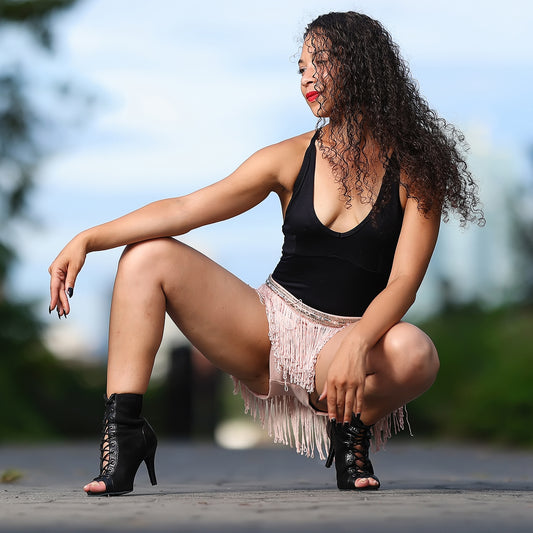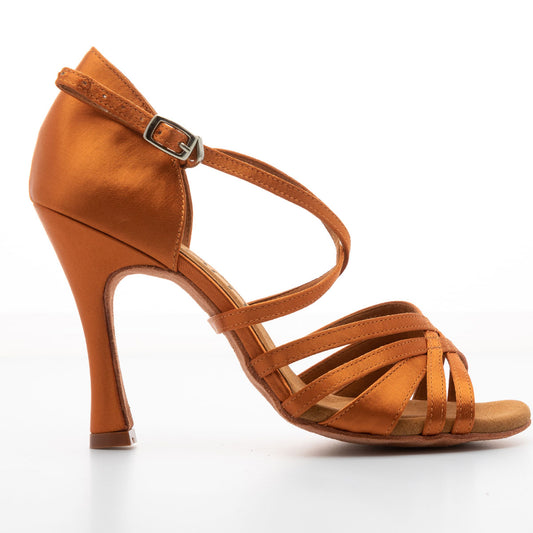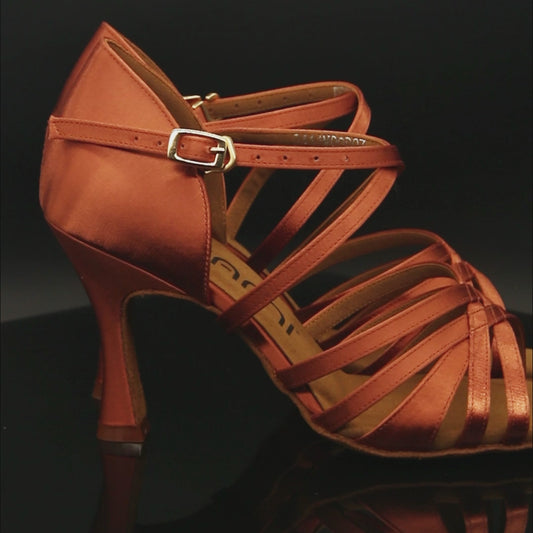

Photo Credit: Freepik |. JT Dance Studio
If you’ve ever been on the dance floor and thought:
- “Why can everyone else spin except me?”
- “Why do my knees hurt when I turn?”
- “Why do these shoes feel sticky?”
You’re not imagining things.
Spins are one of the most technical movements in partner dancing, and your shoes play a massive role in how easily — and safely — you can turn.
Most dancers spend years practicing technique, balance, and spotting. But many don’t realize that the physics happening under their feet can either help their spins… or completely sabotage them.
Let’s break down the real biomechanics behind spinning, and why the right dance shoe design makes such a big difference.
Why Spins Are Harder Than They Look

Photo Credit: Dancer's Note
Spinning in dance is essentially a controlled pivot around a vertical axis.
Your body rotates while your foot stays in contact with the floor.
For that rotation to happen smoothly, two things must occur:
Your foot must pivot without sticking
Your joints must avoid absorbing the rotational force
When either of those things fails, the stress transfers to your body — usually the knees or hips.
Researchers studying joint mechanics note that excessive rotational force applied to the knee while the foot remains planted can increase strain on ligaments and cartilage (American Academy of Orthopaedic Surgeons).
This is exactly what happens when dancers try to spin in shoes that grip the floor too strongly.
Your foot stays locked.
Your knee twists.
And that’s where pain begins.
The Role of Friction in Turning
At the center of every spin is a physics concept called friction.
Friction is the resistance between two surfaces moving against each other — in this case, your shoe and the dance floor.
According to the American Physical Society, friction determines how easily two surfaces slide or resist movement.
For dancers, this creates a delicate balance:
- Too much friction → your foot sticks
- Too little friction → you slide uncontrollably
The ideal dance shoe provides controlled friction, meaning your foot can pivot smoothly without losing stability.
That balance is exactly why dance shoes are designed differently from regular footwear.
Why Sticky Rubber Soles Can Destroy Your Knees

Photo Credit: Overlook Boots
Most street shoes use high-friction rubber soles.
That’s great for walking, running, and preventing slips on sidewalks.
But when you try to spin in them, the rubber grips the floor aggressively.
Instead of your foot rotating freely, the rotation moves up your leg into your knee joint.
Biomechanics experts explain that the knee joint is not designed to handle large rotational forces while bearing weight (American Academy of Orthopaedic Surgeons).
So if your shoe prevents pivoting, the knee compensates.
That’s why dancers often say:
“Spins in sneakers kill my knees.”
It’s not because spinning itself is dangerous.
It’s because the wrong sole prevents the pivot your body needs.
Why Ballroom and Latin Dance Shoes Use Suede Soles

Photo Credit: Everleigh Meadow
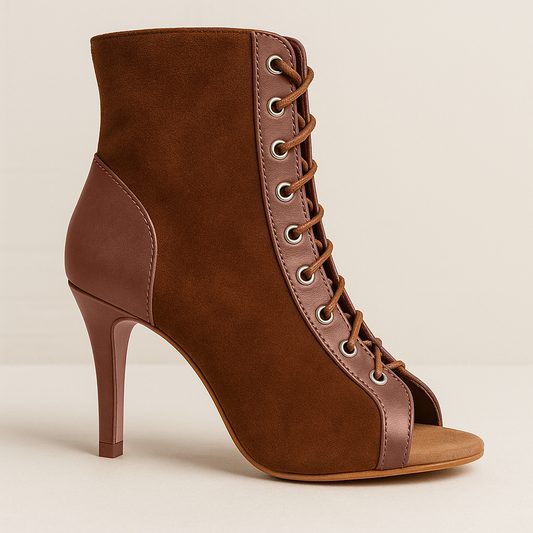
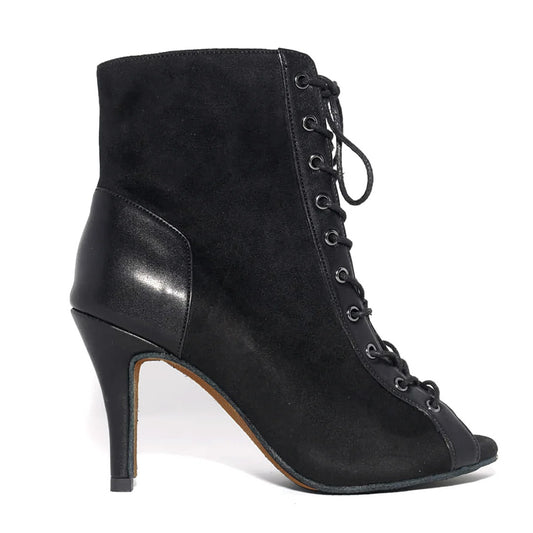
If you look at most professional ballroom or Latin dance shoes, you’ll notice they almost always use suede soles.
That’s not a coincidence.
Suede creates a micro-textured surface that allows controlled glide on smooth indoor floors.
Dance shoe manufacturers like Supadance explain that suede provides the ideal balance of grip and slide needed for ballroom movement.
This allows dancers to:
- Pivot smoothly
- Control spins
- Maintain stability
- Reduce joint torque
Another benefit is that suede can be brushed, restoring its texture and adjusting friction depending on the floor.
That’s why many experienced dancers carry a suede brush in their dance bag.
It’s a small detail that makes a big difference.
The Rise of Spin Points in Dance Sneakers

As dance styles evolve, so do the shoes.
Many modern dance sneakers now incorporate spin points.
A spin point is a circular pivot zone on the sole that reduces friction exactly where dancers turn — typically under the ball of the foot.
This design helps replicate the turning ability of suede soles while maintaining the cushioning and durability of a sneaker.
Dance footwear specialists often describe spin points as a way to reduce rotational resistance while maintaining stability, which helps dancers pivot without stressing their joints.
This is exactly the concept behind Yami’s SpinSole technology.
SpinSoles allow dancers to enjoy:
- sneaker comfort
- shock absorption
- pivot-friendly rotation
Without sacrificing performance on the dance floor.
Why Floor Surfaces Change How Shoes Spin

Even the best dance shoe can behave differently depending on the floor.
Different surfaces produce different friction levels.
Marley Dance Floors
- Common in studios. Slightly grippy but consistent.
- Great for suede soles and spin sneakers.
Hardwood Ballrooms
- Smooth and fast but can become slippery depending on polish or humidity.
- Suede soles perform extremely well here.
Tile Floors
- Hard and sometimes sticky.
- Rubber soles may grab aggressively.
Outdoor Concrete or Patios
- Rough surfaces destroy suede quickly and can stop spins completely.
- Street-friendly dance shoes or hybrid soles work better.
Flooring experts at Harlequin Floors note that professional dance floors are designed to balance traction, glide, and shock absorption, something standard commercial floors often lack.
That’s why dancers sometimes feel like their spins suddenly change when they move to a new venue.
It’s not your technique.
It’s the floor-shoe interaction.
Why the Right Shoe Improves Spin Technique
Good dance shoes don’t just feel better.
They improve movement.
When your shoes allow proper pivoting:
- your turns become smoother
- your balance improves
- your knees experience less torque
- your body stays aligned
That’s why experienced dancers often say the same thing:
“Once I switched to proper dance shoes, my spins improved overnight.”
The right footwear doesn’t replace technique.
But it removes the mechanical obstacles that prevent your technique from working.
Choosing the Best Dance Shoes for Spinning
Different dancers prefer different footwear depending on style and environment.
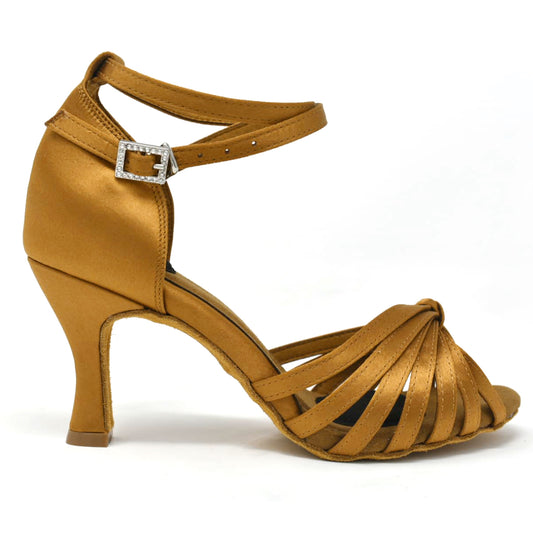
Traditional Latin Heels
Best for:
- Salsa socials
- Bachata socials
- Performances
They allow precise pivots and elegant styling.
Dance Sneakers with Spin Technology
Best for:
- Long workshop days
- Training sessions
- Dancers who prefer extra cushioning
They combine comfort with pivot-friendly movement.
Hybrid Street-Dance Shoes
Best for:
- Venues with outdoor spaces
- Travel between locations
- Dancers who want performance plus durability
These shoes protect suede soles while still supporting turns.
Final Thoughts: Spinning Is Physics
Spinning isn’t just about balance or spotting.
It’s also about physics, friction, and biomechanics.
The interaction between your shoe and the floor determines whether your body rotates smoothly — or whether your joints absorb the stress.
The right dance shoe allows your foot to pivot naturally, protecting your knees while improving control.
That’s why dancers who take their footwear seriously often find their movement improves dramatically.
Because when your foundation is right, everything above it moves better.